What Are Effective Mold Prevention Strategies?
To prevent mold, ensure proper ventilation in bathrooms and kitchens, use dehumidifiers, and fix leaks immediately. Regularly clean and dry surfaces prone to moisture. In NJ, where weather can vary, these steps help maintain a mold-free home environment.
Ventilation: One of the most effective ways to prevent mold is to ensure that areas prone to moisture, such as bathrooms and kitchens, are well-ventilated. Install exhaust fans or open windows to allow steam and moisture to escape. Consider using a bathroom fan during and after showers to reduce humidity.
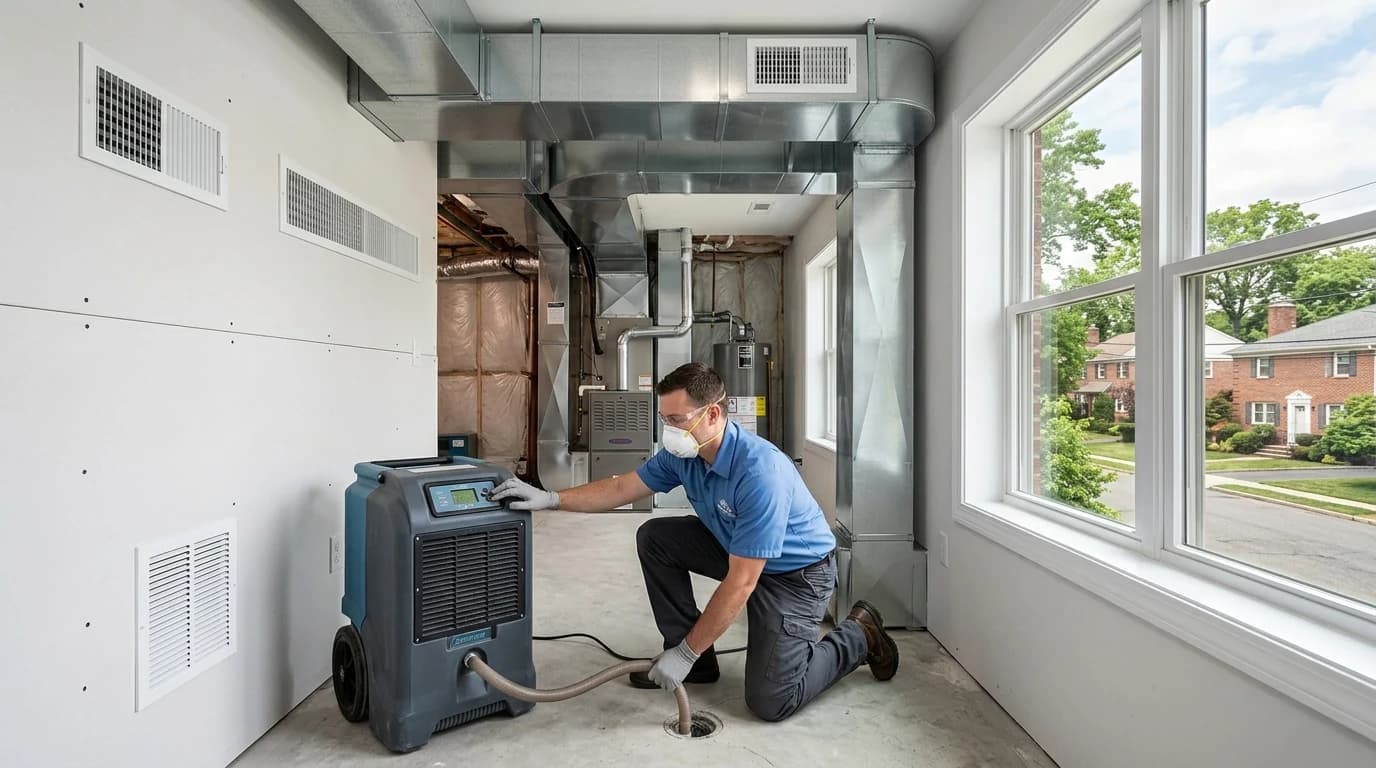
Dehumidifiers: In areas with high humidity, a dehumidifier can effectively reduce moisture levels. Place them in basements or other damp areas to maintain the recommended indoor humidity level below 60%. Some modern dehumidifiers come with smart technology, allowing you to monitor and adjust humidity levels remotely.
Leak Repairs: Water leaks can lead to mold growth within 48 hours. Regularly inspect your home for leaks, especially in areas like under sinks, around windows, and in the basement. Promptly repairing leaks can prevent mold from taking hold.
Surface Cleaning: Mold thrives on organic materials like wood and drywall. Clean surfaces regularly, especially in areas that are prone to moisture, using mold-inhibiting cleaners. Pay special attention to window sills, shower curtains, and refrigerator drip pans.
Ventilation: One of the most effective ways to prevent mold is to ensure that areas prone to moisture, such as bathrooms and kitchens, are well-ventilated. Install exhaust fans or open windows to allow steam and moisture to escape. Consider using a bathroom fan during and after showers to reduce humidity.
Dehumidifiers: In areas with high humidity, a dehumidifier can effectively reduce moisture levels. Place them in basements or other damp areas to maintain the recommended indoor humidity level below 60%. Some modern dehumidifiers come with smart technology, allowing you to monitor and adjust humidity levels remotely.
Leak Repairs: Water leaks can lead to mold growth within 48 hours. Regularly inspect your home for leaks, especially in areas like under sinks, around windows, and in the basement. Promptly repairing leaks can prevent mold from taking hold.
Surface Cleaning: Mold thrives on organic materials like wood and drywall. Clean surfaces regularly, especially in areas that are prone to moisture, using mold-inhibiting cleaners. Pay special attention to window sills, shower curtains, and refrigerator drip pans.
How Can You Control Humidity Levels?
Controlling humidity is crucial in preventing mold. Use air conditioners and dehumidifiers to maintain indoor humidity below 60%. Ensure your home has adequate insulation and seal any drafts. For more guidance on maintaining optimal conditions, contact Fort Lee Mold Removal for expert advice and explore our contact page for assistance.
Air Conditioning: Air conditioners not only cool your home but also help reduce humidity. Ensure your air conditioning system is properly maintained and the filters are clean to maximize efficiency. Regular servicing can prevent the system from becoming a source of mold.
Insulation and Sealing: Adequate insulation helps maintain consistent indoor temperatures, reducing the risk of condensation. Seal cracks and gaps around windows, doors, and areas where pipes enter the home to prevent moisture intrusion. In NJ's varying climate, this can significantly impact mold prevention.
House Plants: While house plants can improve air quality, they can also increase humidity levels. Opt for plants that naturally lower humidity, such as peace lilies or Boston ferns. Use a moisture meter to ensure soil is not overly saturated, which can contribute to indoor humidity.
Air Conditioning: Air conditioners not only cool your home but also help reduce humidity. Ensure your air conditioning system is properly maintained and the filters are clean to maximize efficiency. Regular servicing can prevent the system from becoming a source of mold.
Insulation and Sealing: Adequate insulation helps maintain consistent indoor temperatures, reducing the risk of condensation. Seal cracks and gaps around windows, doors, and areas where pipes enter the home to prevent moisture intrusion. In NJ's varying climate, this can significantly impact mold prevention.
House Plants: While house plants can improve air quality, they can also increase humidity levels. Opt for plants that naturally lower humidity, such as peace lilies or Boston ferns. Use a moisture meter to ensure soil is not overly saturated, which can contribute to indoor humidity.
Why is Regular Maintenance Important?
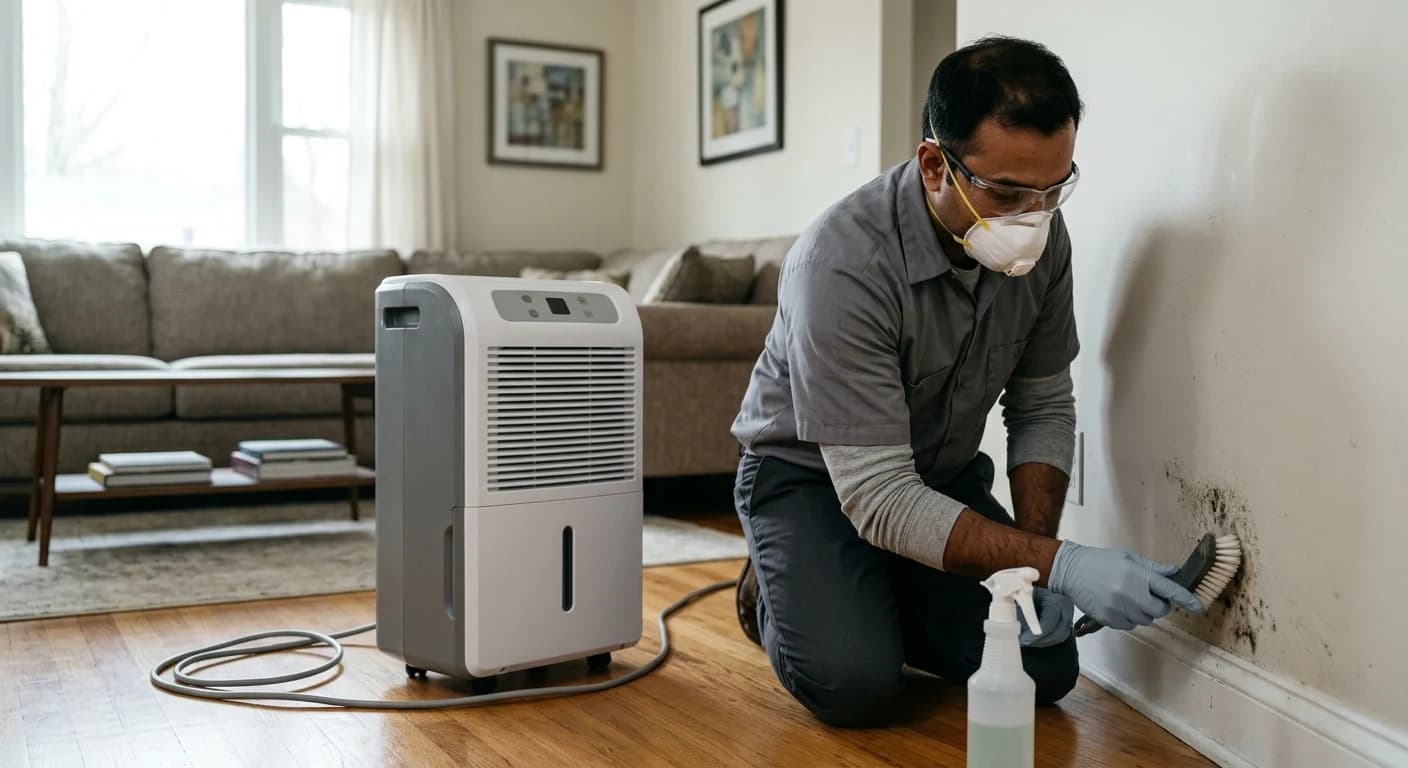
Regular home maintenance, including checking for leaks and ensuring proper drainage, is vital. Clean gutters and downspouts to direct water away from the foundation. Implementing these practices consistently will significantly reduce the risk of mold.
Roof and Gutter Maintenance: Inspect your roof for any missing or damaged shingles that could allow water to enter. Clean gutters and downspouts regularly to ensure they are free of debris. This prevents water from overflowing and seeping into your home's foundation.
Foundation and Landscaping: Ensure that the ground around your home slopes away from the foundation. This prevents rainwater from pooling and seeping into the basement. Consider installing a French drain or sump pump if you frequently experience water in your basement.
Appliance Checks: Regularly inspect appliances that use water, such as washing machines, dishwashers, and refrigerators. Check hoses and connections for leaks, and replace them if necessary. Ensure that appliances are level to avoid water pooling.
Professional Inspections: Consider scheduling an annual inspection with a mold prevention specialist. They can identify potential problem areas that you might overlook and provide tailored recommendations for your home.
Roof and Gutter Maintenance: Inspect your roof for any missing or damaged shingles that could allow water to enter. Clean gutters and downspouts regularly to ensure they are free of debris. This prevents water from overflowing and seeping into your home's foundation.
Foundation and Landscaping: Ensure that the ground around your home slopes away from the foundation. This prevents rainwater from pooling and seeping into the basement. Consider installing a French drain or sump pump if you frequently experience water in your basement.
Appliance Checks: Regularly inspect appliances that use water, such as washing machines, dishwashers, and refrigerators. Check hoses and connections for leaks, and replace them if necessary. Ensure that appliances are level to avoid water pooling.
Professional Inspections: Consider scheduling an annual inspection with a mold prevention specialist. They can identify potential problem areas that you might overlook and provide tailored recommendations for your home.
What Role Does Proper Ventilation Play in Mold Prevention?
Proper ventilation is a critical component in mold prevention, as it helps control moisture levels within your home. Without adequate airflow, moisture can accumulate, creating an ideal environment for mold growth. Start by evaluating your current ventilation systems in high-moisture areas such as bathrooms, kitchens, and basements. Ensure that all exhaust fans are functioning correctly and are vented to the outside, not just into the attic or another enclosed space.
In bathrooms, use exhaust fans during and after showers to quickly remove steam and reduce humidity. If your bathroom lacks an exhaust fan, consider installing one. In the kitchen, use a range hood while cooking to capture steam and grease particles. In addition, opening windows periodically can help circulate fresh air and reduce indoor humidity levels. For basements or other areas prone to dampness, consider installing a whole-house ventilation system or a heat recovery ventilator (HRV) to improve airflow throughout your home.
Regularly check and clean your ventilation systems to ensure they are free of dust and debris, which can impede airflow. In regions like Fort Lee, where humidity can fluctuate, maintaining effective ventilation is essential for long-term mold prevention.
In bathrooms, use exhaust fans during and after showers to quickly remove steam and reduce humidity. If your bathroom lacks an exhaust fan, consider installing one. In the kitchen, use a range hood while cooking to capture steam and grease particles. In addition, opening windows periodically can help circulate fresh air and reduce indoor humidity levels. For basements or other areas prone to dampness, consider installing a whole-house ventilation system or a heat recovery ventilator (HRV) to improve airflow throughout your home.
Regularly check and clean your ventilation systems to ensure they are free of dust and debris, which can impede airflow. In regions like Fort Lee, where humidity can fluctuate, maintaining effective ventilation is essential for long-term mold prevention.
How to Choose Mold-Resistant Materials?
Selecting mold-resistant materials during home renovations or repairs can significantly reduce the risk of mold problems in the future. When choosing building materials, look for products specifically designed to resist moisture and mold growth. For instance, opt for mold-resistant drywall, which contains a special paperless backing that resists water absorption, making it less susceptible to mold growth compared to traditional drywall.
In areas prone to moisture, such as bathrooms and basements, consider using mold-resistant paint, which contains antimicrobial agents that inhibit mold growth on painted surfaces. For flooring, materials such as tile, vinyl, or sealed concrete are more resistant to moisture than carpet, making them ideal choices for damp-prone areas.
Additionally, when selecting insulation, opt for closed-cell spray foam or rigid foam board insulation, both of which are less likely to absorb moisture than traditional fiberglass insulation. These materials also provide a better air seal, reducing the likelihood of moisture entering your home. When replacing windows, choose those with proper seals and double or triple glazing to prevent condensation and reduce indoor humidity.
By investing in mold-resistant materials, you can create a home environment that is less conducive to mold growth, providing peace of mind and protecting your property from potential damage.
In areas prone to moisture, such as bathrooms and basements, consider using mold-resistant paint, which contains antimicrobial agents that inhibit mold growth on painted surfaces. For flooring, materials such as tile, vinyl, or sealed concrete are more resistant to moisture than carpet, making them ideal choices for damp-prone areas.
Additionally, when selecting insulation, opt for closed-cell spray foam or rigid foam board insulation, both of which are less likely to absorb moisture than traditional fiberglass insulation. These materials also provide a better air seal, reducing the likelihood of moisture entering your home. When replacing windows, choose those with proper seals and double or triple glazing to prevent condensation and reduce indoor humidity.
By investing in mold-resistant materials, you can create a home environment that is less conducive to mold growth, providing peace of mind and protecting your property from potential damage.
How to Monitor and Maintain Indoor Air Quality?
Maintaining good indoor air quality is essential for mold prevention and overall health. Start by regularly monitoring humidity levels using a hygrometer, a simple device that measures indoor moisture. Aim to keep indoor humidity below 60% to minimize mold risk. If you notice levels consistently above this threshold, consider using a dehumidifier or adjusting your HVAC system to better control moisture.
In addition to humidity, air circulation is crucial. Ensure that air vents are unobstructed and clean, allowing for proper airflow throughout your home. Regularly replace air filters in your HVAC system to prevent dust and mold spores from circulating. High-efficiency particulate air (HEPA) filters are particularly effective in trapping small particles, including mold spores.
Consider investing in an air purifier with a HEPA filter, especially if you live in areas prone to high humidity, like Fort Lee. These devices can significantly reduce airborne mold spores and other allergens. Place them in high-traffic areas or rooms prone to moisture, such as basements or bathrooms.
Finally, be mindful of chemical pollutants. Use natural cleaning products and avoid volatile organic compounds (VOCs) found in some paints and household items. By actively managing indoor air quality, you can create a healthier living environment and reduce the likelihood of mold growth.
In addition to humidity, air circulation is crucial. Ensure that air vents are unobstructed and clean, allowing for proper airflow throughout your home. Regularly replace air filters in your HVAC system to prevent dust and mold spores from circulating. High-efficiency particulate air (HEPA) filters are particularly effective in trapping small particles, including mold spores.
Consider investing in an air purifier with a HEPA filter, especially if you live in areas prone to high humidity, like Fort Lee. These devices can significantly reduce airborne mold spores and other allergens. Place them in high-traffic areas or rooms prone to moisture, such as basements or bathrooms.
Finally, be mindful of chemical pollutants. Use natural cleaning products and avoid volatile organic compounds (VOCs) found in some paints and household items. By actively managing indoor air quality, you can create a healthier living environment and reduce the likelihood of mold growth.
What Are the Benefits of Professional Mold Inspections?
Professional mold inspections offer numerous benefits for homeowners seeking to prevent mold issues. A trained inspector can identify potential mold-prone areas that may not be immediately visible, such as behind walls or under flooring. They utilize specialized tools like moisture meters and thermal imaging cameras to detect hidden moisture sources that could lead to mold growth.
Scheduling regular inspections, particularly if you've experienced past mold problems, ensures that any new issues are caught early. This proactive approach can save you from costly repairs and health problems associated with prolonged mold exposure. Inspectors provide detailed reports, highlighting areas of concern and offering recommendations for remediation or preventive measures.
In addition to identifying existing mold, professionals can assess the effectiveness of your current mold prevention strategies. They can suggest improvements, such as upgrading ventilation systems or using mold-resistant materials in vulnerable areas. Their expertise is particularly valuable in regions like NJ, where weather conditions can fluctuate, impacting indoor humidity levels.
Moreover, professional inspections can offer peace of mind. Knowing that your home is regularly checked by experts can alleviate worries about mold-related health risks and property damage. By investing in professional services, you ensure a comprehensive approach to mold prevention, maintaining a safe and healthy home environment.
Scheduling regular inspections, particularly if you've experienced past mold problems, ensures that any new issues are caught early. This proactive approach can save you from costly repairs and health problems associated with prolonged mold exposure. Inspectors provide detailed reports, highlighting areas of concern and offering recommendations for remediation or preventive measures.
In addition to identifying existing mold, professionals can assess the effectiveness of your current mold prevention strategies. They can suggest improvements, such as upgrading ventilation systems or using mold-resistant materials in vulnerable areas. Their expertise is particularly valuable in regions like NJ, where weather conditions can fluctuate, impacting indoor humidity levels.
Moreover, professional inspections can offer peace of mind. Knowing that your home is regularly checked by experts can alleviate worries about mold-related health risks and property damage. By investing in professional services, you ensure a comprehensive approach to mold prevention, maintaining a safe and healthy home environment.